There is a particular kind of rain that comes at you sideways in an Irish winter. To quote my mam, we get real wet rain. For a hundred years or so the answer was a jumper. Not a fashion statement or souvenir, but a piece of equipment put on before heading out onto the open water.
Where it came from
The gansey (an original word for our beloved jumper) was worn from about the middle of the nineteenth century, possibly earlier, until the middle of the twentieth. Not only by fishermen, the gansey was worn by everyone from merchant seamen to the farmers of the land. It was also not only an Irish garment but rather a North Sea and North Atlantic one. Worn from Scandinavia down through the Netherlands and across the islands, the traditional wear thinned out after the Second World War in these countries, never to return.
Where it originated from is unsettled. Accounts of it evolving out of the plain wool jumpers of Guernsey sit alongside notes of how much the seamless construction resembles patterned silk arriving from Italy in the seventeenth century. The word itself may come from Old Norse garn, meaning yarn, so your guess is as good as any.
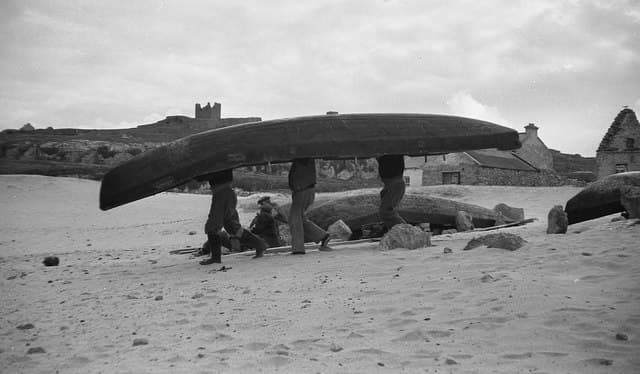
The adult Aran gansey in the shape we would recognise is dated to 1932, commissioned by the social reformer Muriel Gahan. Classically, the story goes that every family had their own pattern, and a man who went overboard during rough seas may wash up on shore weeks later only to be identified by the pattern on his jumper. This is of course nothing but myth, but we Irish do love a good story to sell to visitors.
Why it works
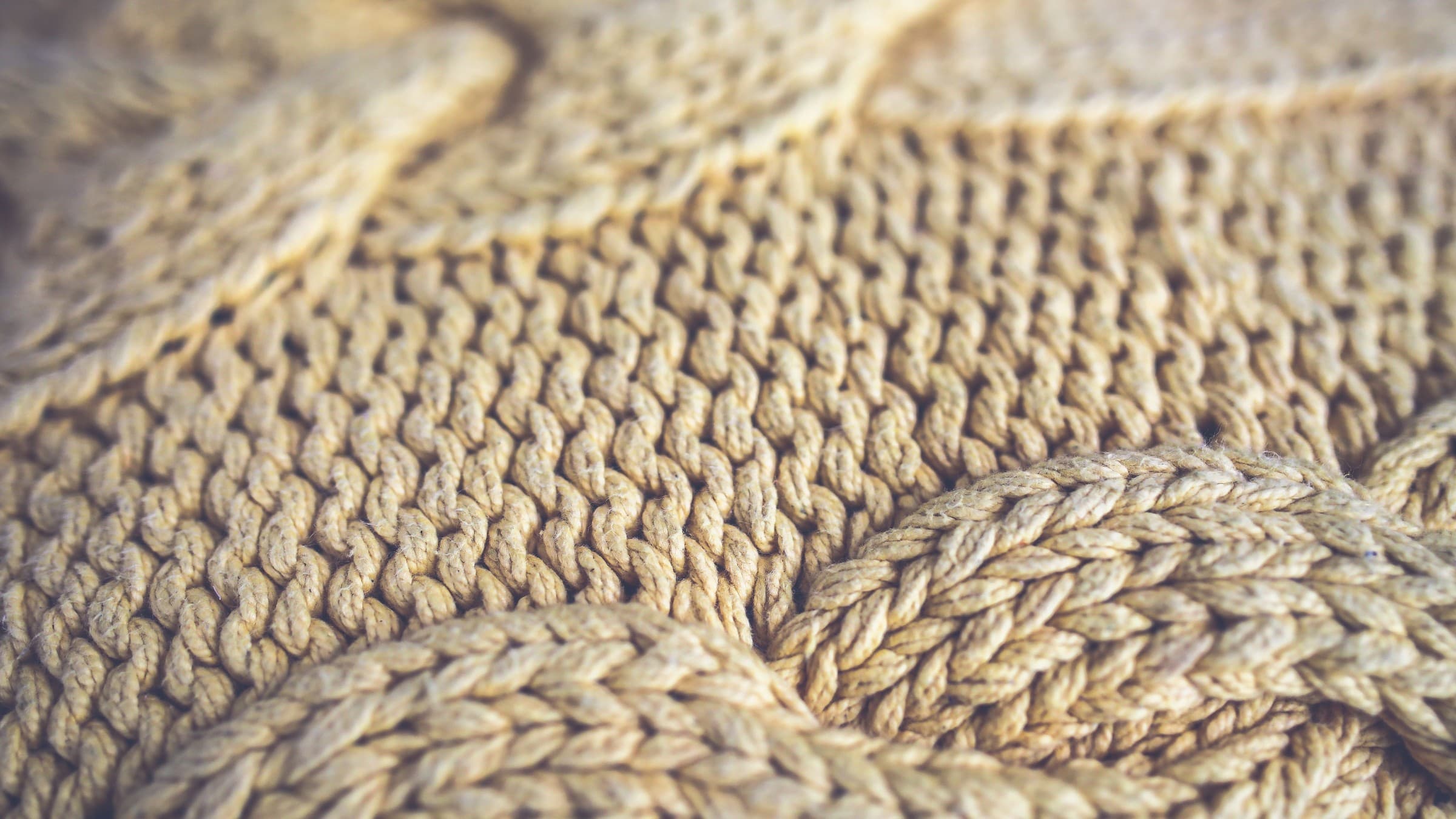
Gansey wool is five ply and worsted spun, which means the fibres are combed to lie parallel before they are twisted, and twisted hard. It is knitted at a gauge that would stop most people now. What comes off the needles is dense enough that wind struggles through it and rain sits on the surface with nowhere useful to go.
Three from Inis Meáin
Which leaves the question of who is still making them properly. Inis Meáin have been knitting on the middle island since 1976, and theirs is the only knitwear factory on any of the three Aran Islands. Here's three of our favourites from them.
Cashmere Aran Rib Crew Neck
30% cashmere, 70% merino
A basic winter go to. Their own description calls it a nod to the islands without going all Aran. It can be worn formally, but most likely we'd wear it as an every day essential. Out on the autumnal beach walks and for the beginning of firewood season. A day to day working jumper with elegance.
Cashmere Aran Turtle Neck
30% cashmere, 70% merino
My ex girlfriend said turtlenecks were sexy and that has lived in my head ever since. Inis Meáin take the pattern from the heavily decorated jumpers once kept for Sunday Best on the island. Harder to pull off, but when you get it right it oozes confidence and a slight touch of 007. A cashmere blend, the best of the best of the best, and bound to last a spy's lifetime.
Textured Pub Jacket
75% merino, 25% linen
Not a classic to bring out on the boats, but it suits the cosy evening in the pub perfectly. This is the one your cool uncle would go for. Comforting but intentional, classic with informality. Winter is coming and this piece will help ease into it.